

Coordination Platform: Ukraine Has Sufficient Technical Capacity — What Is Needed Are Procedures to Turn Demolition Waste into a Resource
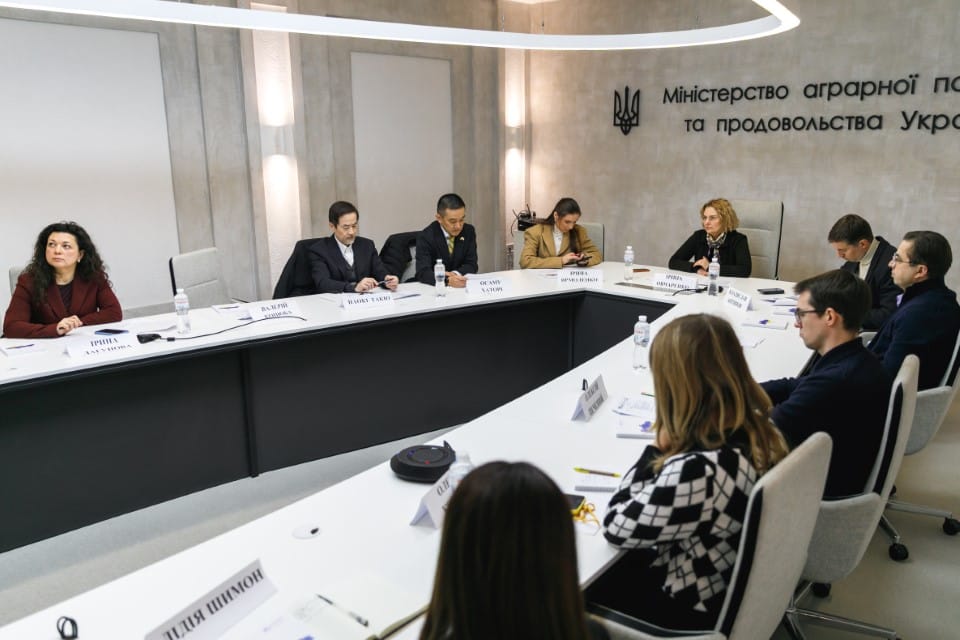
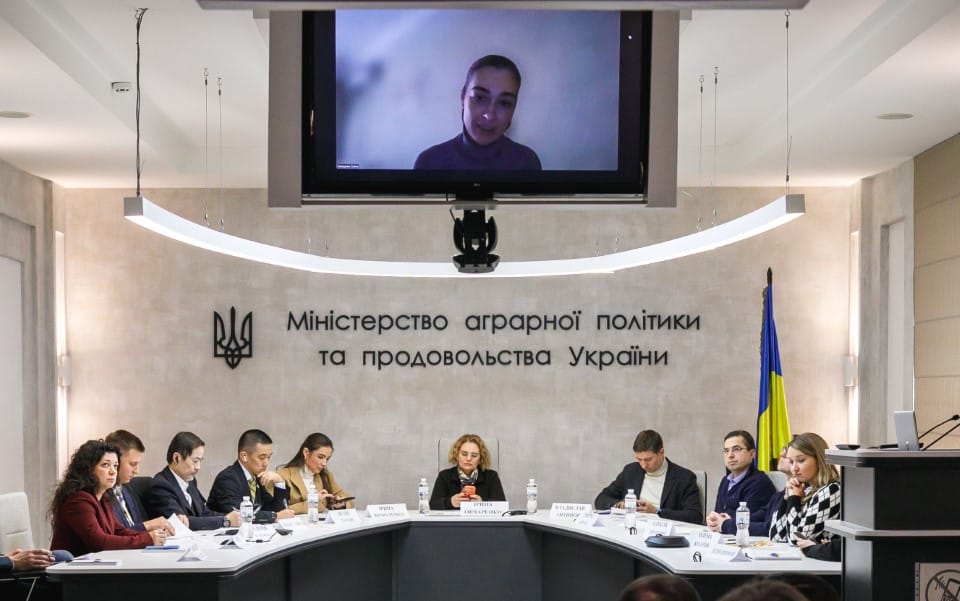
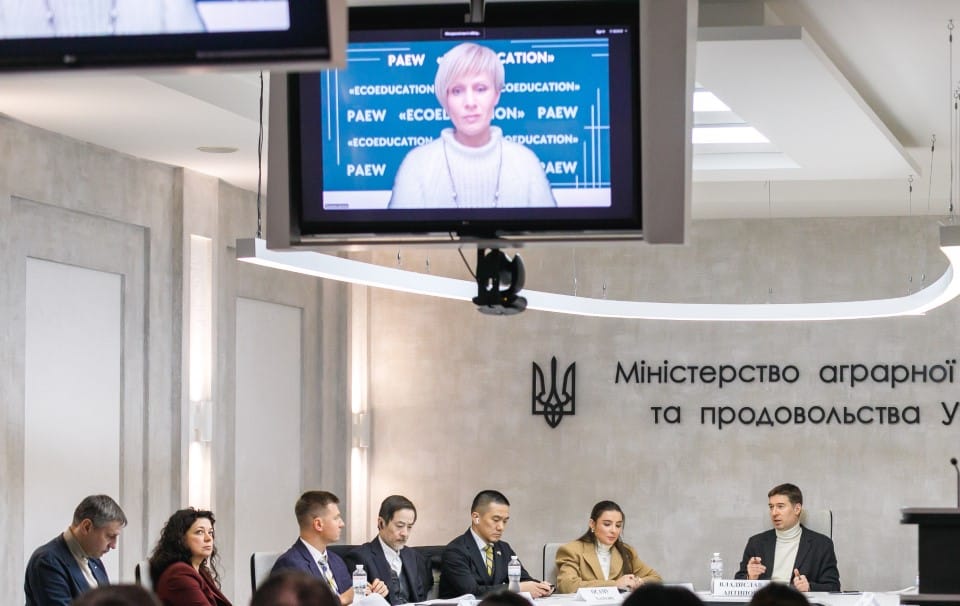
Kyiv, 12 February 2026 — The consortium of the Debris2Resources (D2R) project under the EU LIFE Programme (with the support of the European Union), together with the Ministry of Economy, Environment and Agriculture of Ukraine, held a Coordination Event on the Management of Demolition Waste.
The event brought together representatives of public authorities, international partners, businesses, the scientific community, and experts to discuss systemic challenges in the field of demolition waste management.
Participants noted significant progress in strengthening Ukraine’s technical capacity, particularly thanks to the support of international partners — Japan International Cooperation Agency (JICA) and United Nations Development Programme (UNDP). At the same time, the discussion demonstrated that the key barriers today are not technical, but regulatory and economic in nature.
From Technical Solutions to Systemic Regulation
According to expert assessments, the existing facilities already allow for the processing of current volumes of demolition waste. The total potential capacity of the seven processing lines transferred by JICA amounts to approximately 4.2 million tonnes per year. The primary challenge has shifted to effective regulation, the organization of sorting processes, and the development of economic models for the use of secondary raw materials.
Participants paid particular attention to legal uncertainty regarding ownership rights to debris from destroyed buildings and the status of crushed materials. These factors create significant risks for businesses and effectively block the use of recycled materials even in basic infrastructure projects.
Participants’ Positions
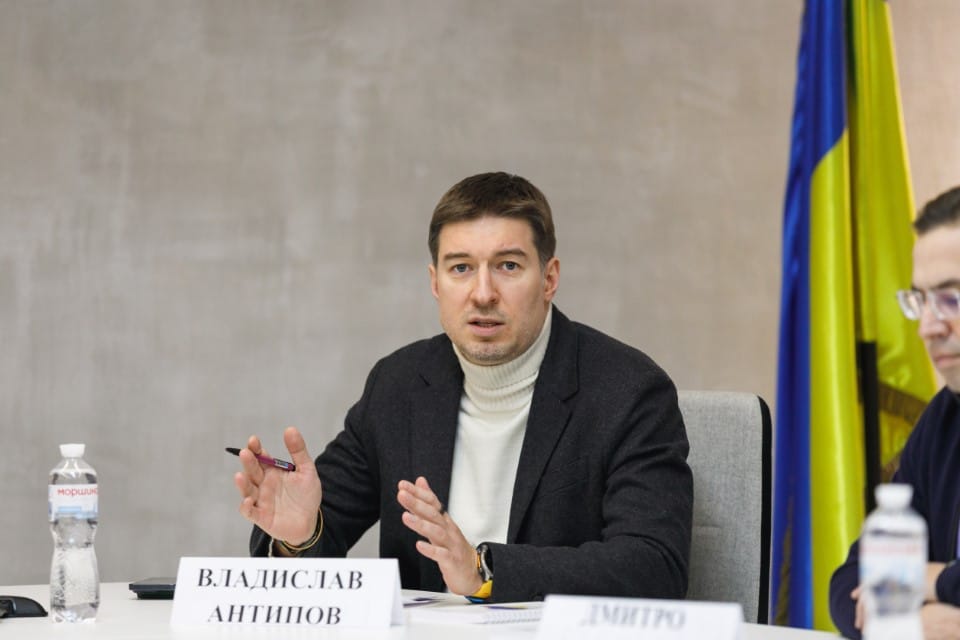
Vladyslav Antypov, Owner and Chief Executive Officer of the Center for Ecology and Development of New Technologies, emphasized:
“We must do more than simply clear landfills or transport waste to disposal sites. It is necessary to establish a modern system for demolition management, processing, logistics, and storage of demolition waste.”
Opening the event, Deputy Minister of Economy, Environment and Agriculture of Ukraine Iryna Ovcharenko stated:
“It is necessary to structure the legislative hierarchy and eliminate inconsistencies between secondary legislation and primary laws. Waste management must evolve in parallel with the construction products market.”
Iryna Lagunova, Senior Project Manager of the Recovery and Reform Support Team at the Ministry for Communities, Territories and Infrastructure Development of Ukraine, stressed the importance of feedback from local communities and the involvement of research institutes in shaping effective solutions.
Marcela McAndrew, representative of the Directorate-General for Environment of the European Commission, noted:
“For the European Commission, demolition waste management is part of a systemic policy that must comply with EU legislation. The key value of this platform lies in reducing the communication gap between partners and national policymaking.”
Osamu Hattori, Head of the Ukrainian Office of the Japan International Cooperation Agency, reported that more than 55,000 tonnes of waste have already been processed, confirming operational capacity at the local level. At the same time, the absence of national standards for the use of recycled materials remains a key obstacle. The development of technical specifications could serve as an interim solution.
Representatives of the United Nations Development Programme emphasized that Ukraine currently does not require additional processing capacity, but rather investments in sorting, which would enable the production of high-quality secondary raw materials and the creation of economically viable business models.
Iryna Yarmolenko, Director of IRS and co-organizer of the event from the D2R consortium, underlined:
“To stimulate recycling, updates to national standards (DSTU) and predictable economic scenarios are required, enabling businesses to plan investments. Within the framework of the LIFE project, we are working on establishing a replicable system.”
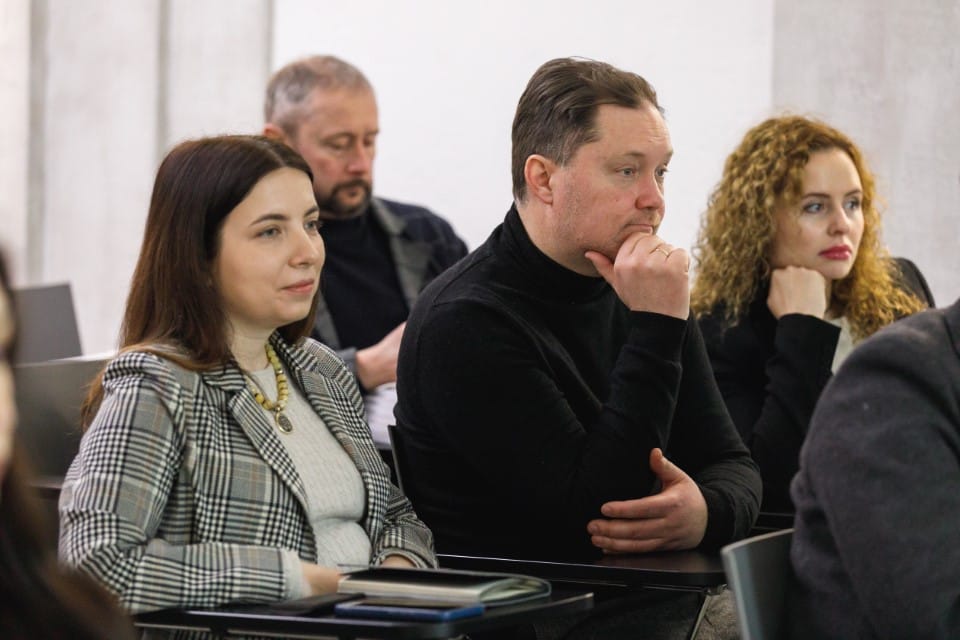
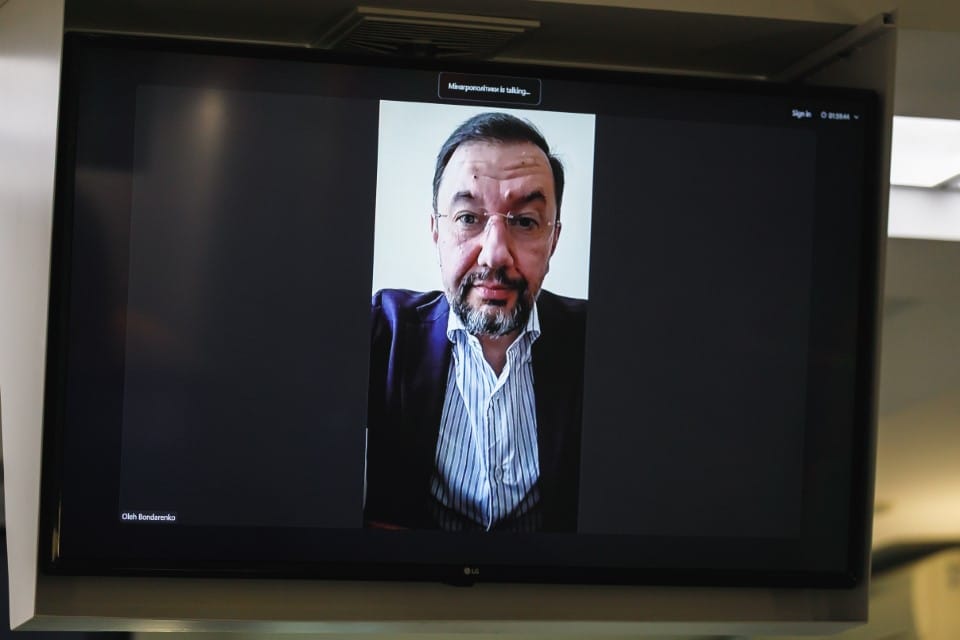
Representatives of private companies, the German Chamber of Industry and Commerce, NGOs, and other stakeholders also participated in the event.
Following the event, participants reached a shared conclusion: expert recommendations must be transformed into concrete draft resolutions of the Cabinet of Ministers of Ukraine — including comparative tables of amendments to regulatory acts and financial and economic justifications. Such an approach will make it possible to translate expert discussions into practical public policy.